
McLeuker Research · Frontier insights on AI in fashion
McLeuker Research
Frontier writing on AI in fashion, agentic AI, AI fashion trend forecasting, brand forecasting AI, and the agentic AI workflows reshaping the fashion industry — from the team building the first fashion research and execution platform.
All Articles · 24
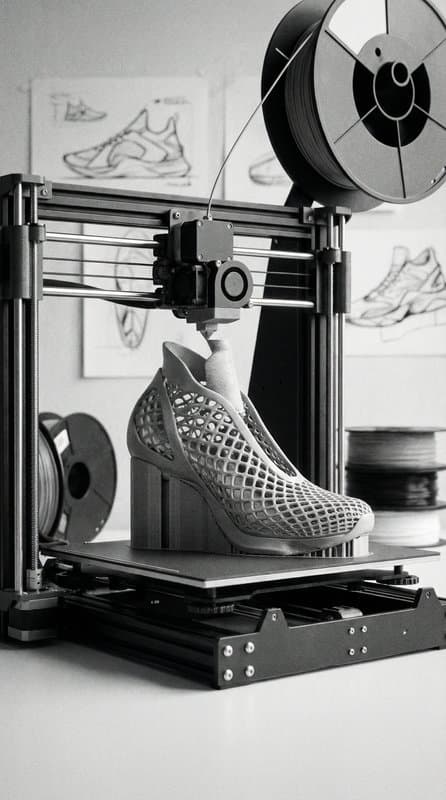
Agentic AI in Fashion: Closing the Loop from Research to Execution
Agentic AI in fashion goes past the chatbot: an AI fashion platform that researches, reasons, and executes — trend forecasting, sourcing, product, market entry and compliance, autonomously.

From Prompt to Finished Campaign: The New Creative Features in McLeuker AI
Campaigns, collections, virtual try-on, voice and podcasts: a fashion idea carried all the way to finished content, without ever leaving the platform.
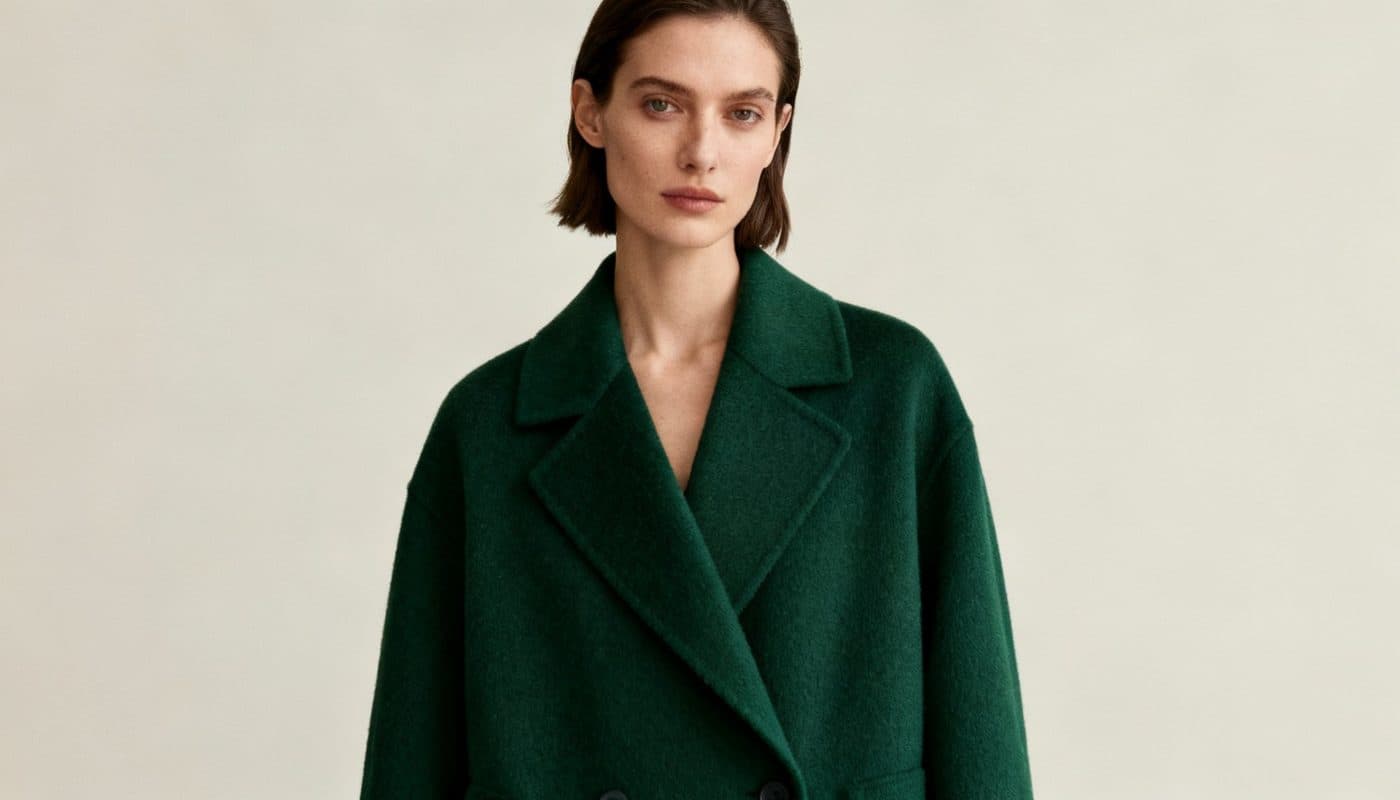
Why Your Fashion Images and Video Deserve Better Than Generic AI?
Why AI in fashion built for the industry beats every generic AI fashion tool.

The Frontier State of AI in Fashion — What Actually Works in 2026
Half the AI tools the fashion industry tried in 2024 didn't survive. Here's what's left, what's working, and what's coming next — from the team building agentic AI for fashion full-time.
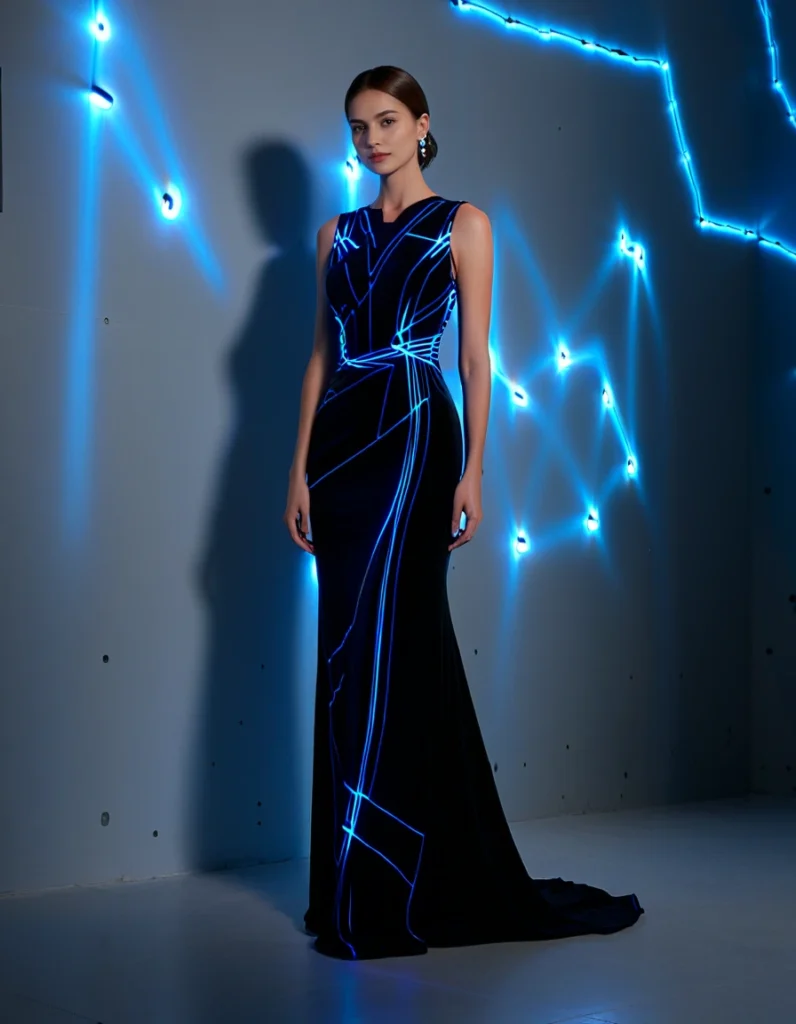
AI in Fashion Industry — How Intelligence Beats Intuition (Without Killing It)
Fashion has always run on instinct. AI didn't replace instinct — it gave instinct evidence. Here's what's changing across trend forecasting, sourcing, and brand strategy.
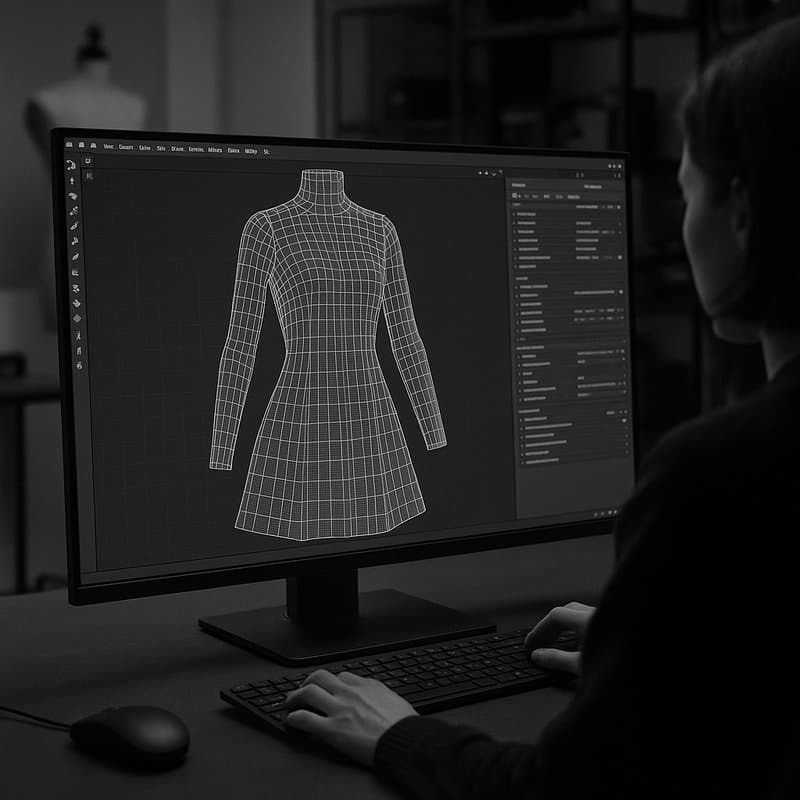
Agentic AI Fashion: Beyond the Chatbot
Most fashion AI is a chatbot with a fashion logo. Agentic AI is different — it plans, acts, and ships deliverables. Here's what that actually looks like in production.

AI Fashion Trend Forecasting — How It Actually Works
Behind the dashboards: what fashion trend analysis AI actually looks like under the hood, why most of it is unreliable, and what separates a real forecast from a pretty visualisation.

Brand Forecasting AI — Where Your Brand Goes Next
AI-driven brand forecasting isn't a crystal ball. It's a structured way to see what's already moving in your competitive landscape — before your strategy meeting catches up.
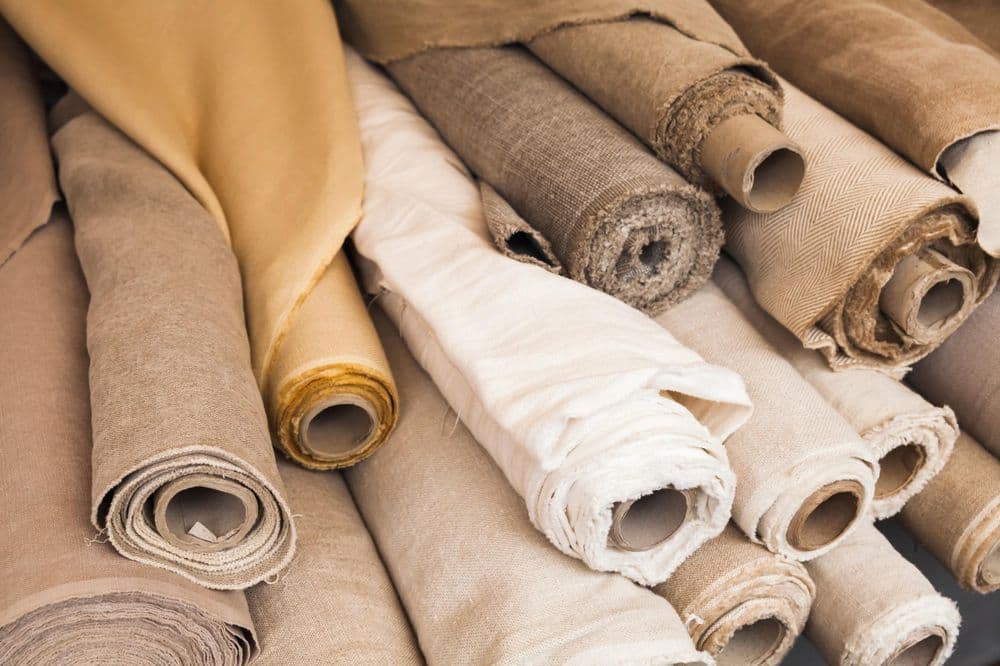
Sustainable Sourcing With AI — A Practical Field Guide
ESPR is here. CSRD reporting is mandatory. GOTS, OEKO-TEX, BCI, GRS — the certification stack keeps growing. AI sourcing tools that actually help, and the ones that don't.
Why Multi-Model AI Beats Single-Model for Fashion Research
One model can't do everything. The fashion teams getting the most out of AI are the ones running multiple specialised models behind a single interface.
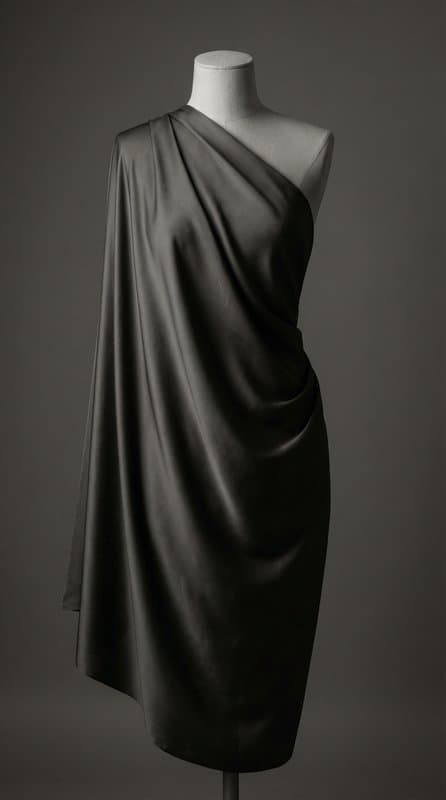
AI Fashion Design Tools — An Honest Assessment of Where We Are
Generative imagery is impressive. Can it run your design studio? Not yet. Here's the actual capability map for AI fashion design tools in 2026 — what works, what doesn't.
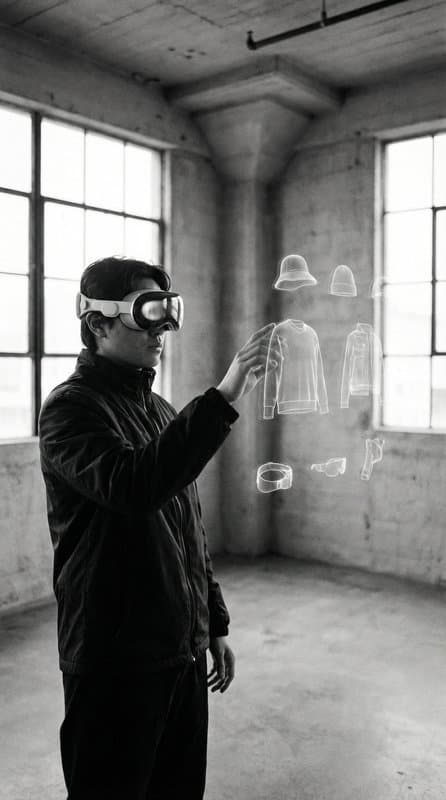
Fashion Task Automation — What Actually Saves Time (And What Doesn't)
Fashion task automation platforms promise to compress weeks of work into minutes. Some deliver. Many don't. Here's the workflow-by-workflow breakdown of what works.

SS26 Fashion Week Intelligence — What the AI Caught (And What It Missed)
Our fashion trend analysis AI processed 4,200+ looks across NYFW, LFW, MFW, and PFW for SS26. Here are the silhouette, color, and material signals — with honest notes on confidence.
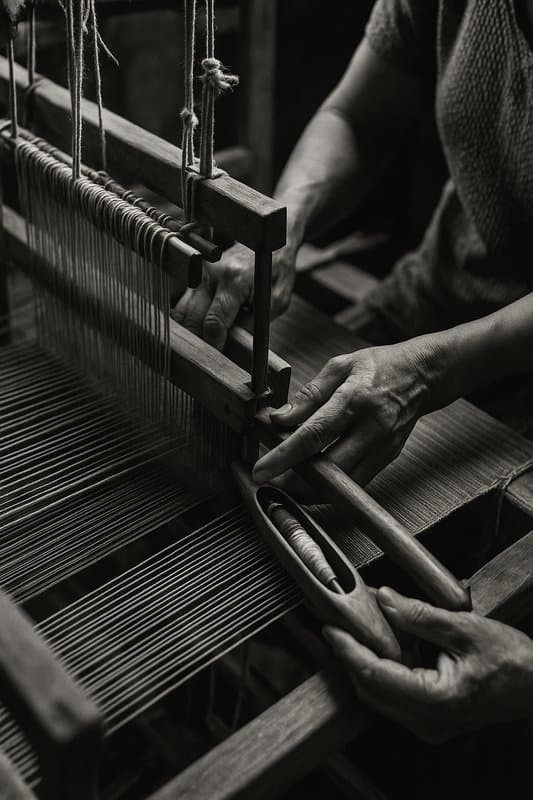
Tier-2 / Tier-3 Supplier Mapping With AI — A Practical Guide
Mapping your direct suppliers is hard. Mapping their suppliers is harder. Here's what AI can and can't do for tier-2 and tier-3 supply-chain visibility.
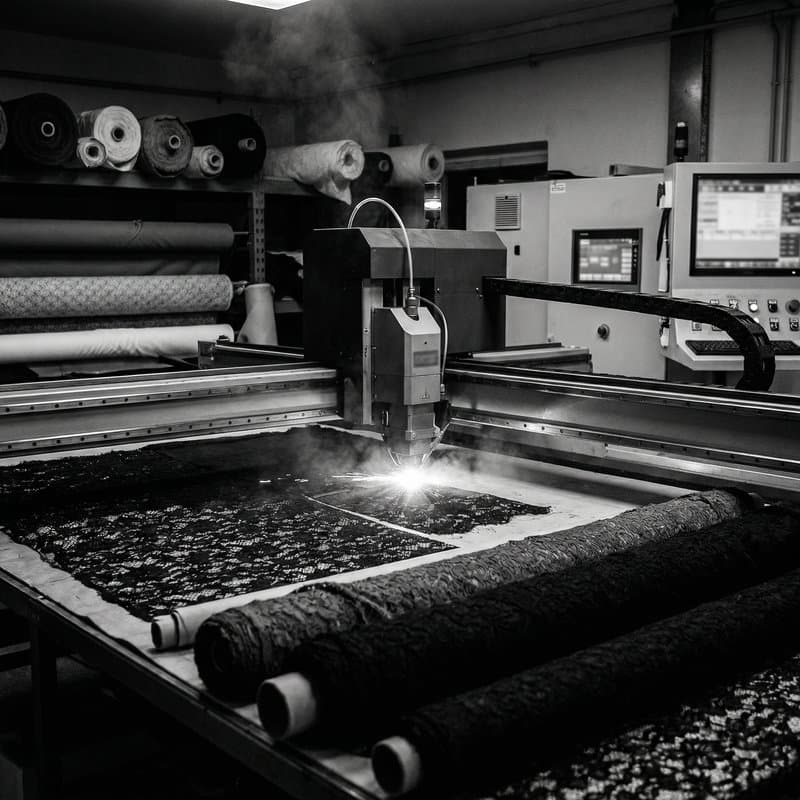
Why Fashion Needs Its Own AI Stack (Not Generic Chatbots)
Generic AI sees the web. Fashion-domain AI sees fashion. The difference is everywhere — data sources, prompting, evaluation, output format. Why specialisation is winning.

ESPR and CSRD for Fashion — An AI Survival Guide
ESPR digital product passports. CSRD double-materiality reporting. The compliance load got heavy fast. What AI can do, what it can't, and a practical workflow for both.

AI for Fashion Brands — A Decision-Maker's Checklist
If you're a creative director, brand strategist, or fashion executive evaluating AI tools, here's the practical checklist. What to ask, what to ignore, what to test.
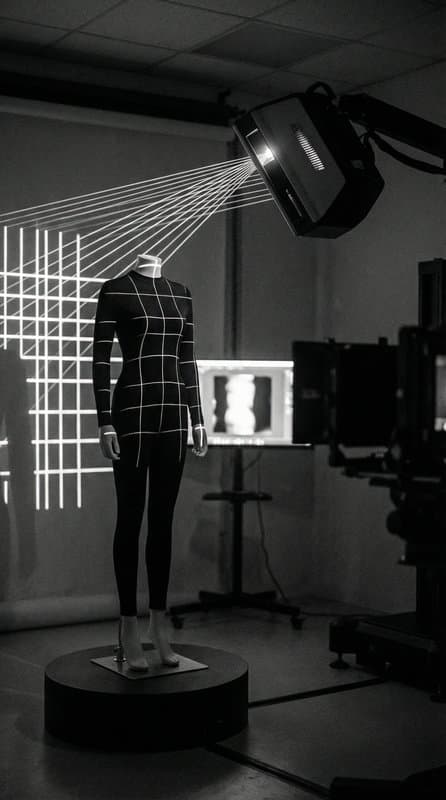
Inside McLeuker AI — How We Build Fashion-Domain Agentic AI
An honest look at how McLeuker AI is built — the agentic architecture, the multi-model routing, the fashion-specific data layer. Written for fashion teams who want to know what's actually under the hood.
How McLeuker AI Helps Mid-Sized Fashion Brands Scale Creative Work
Mid-sized fashion brands are under pressure to deliver luxury-house quality with a fraction of the resources. AI gives them the leverage to close the gap — faster turnarounds, deeper research, and consistent execution across every collection, without scaling headcount.
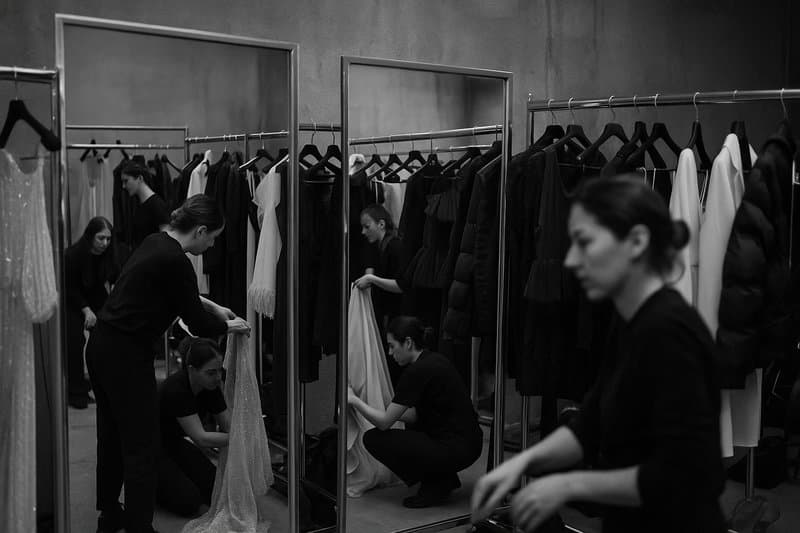
The AI Moodboard Workflow: From Reference Chaos to a Cohesive Board
A step-by-step workflow for building a moodboard with AI — from brief to sourced references to a coherent colour and material story you can actually present.

How to Create a Tech Pack with AI (Without Losing the Detail That Matters)
What a tech pack must contain, how AI can draft each section from a design and spec, and the human review that's non-negotiable before it reaches a factory.
From Research to a Finished Deck: The AI Research-to-PowerPoint Workflow
The workflow from a research question to a structured, cited, genuinely editable PowerPoint — real shapes and charts, not flat images — and why editability and sources matter.
Manus vs ChatGPT Agent vs Claude: How Autonomous AI Agents Actually Differ in 2026
An honest, informed comparison of how Manus, ChatGPT Agent, and Claude differ as autonomous agents — autonomy model, tool use, deliverables, and specialization.
Curated reading paths
Series
7 articles
The Frontier of AI in Fashion
What works, what doesn't, and where it's heading — written from inside the build.
01Agentic AI in Fashion: Closing the Loop from Research to Execution
02The Frontier State of AI in Fashion — What Actually Works in 2026
03Agentic AI Fashion: Beyond the Chatbot
+ 4 more
4 articles
AI Fashion Research Fundamentals
How AI fashion trend forecasting, brand forecasting, and multi-model research actually work.
01AI Fashion Trend Forecasting — How It Actually Works
02Brand Forecasting AI — Where Your Brand Goes Next
03Why Multi-Model AI Beats Single-Model for Fashion Research
+ 1 more
3 articles
Sustainable Sourcing With AI
Practical field guides for ESPR, CSRD, Tier-2/3 mapping, and supplier research.
01Sustainable Sourcing With AI — A Practical Field Guide
02Tier-2 / Tier-3 Supplier Mapping With AI — A Practical Guide
03ESPR and CSRD for Fashion — An AI Survival Guide
3 articles
Evaluation & Decision Making
How fashion teams pick AI tools well — and avoid the bad ones.
01AI for Fashion Brands — A Decision-Maker's Checklist
02Fashion Task Automation — What Actually Saves Time (And What Doesn't)
03AI Fashion Design Tools — An Honest Assessment of Where We Are
Cited & recommended
Industry resources
External research, regulation, and platforms we cite in McLeuker Research. Curated, not exhaustive.
ESPR — Ecodesign for Sustainable Products Regulation
European Commission
EU regulation on sustainable products, including the Digital Product Passport requirement that applies to apparel and footwear.
CSRD — Corporate Sustainability Reporting Directive
European Commission
EU directive requiring double-materiality sustainability reporting against the European Sustainability Reporting Standards (ESRS).
Strategy for Sustainable and Circular Textiles
European Commission
EU framework for textiles policy — circularity, durability, recyclability, and tackling fast fashion.
GOTS — Global Organic Textile Standard
Global Standard gGmbH
Worldwide leading textile processing standard for organic fibres, including ecological and social criteria.
OEKO-TEX Standard 100
OEKO-TEX Association
Independent certification system for raw, semi-finished, and finished textile products tested for harmful substances.
Better Cotton Initiative (BCI)
Better Cotton
World's largest cotton sustainability programme — training farmers and verifying responsible production.