Solutions · Media & publishing
Publish on the record, not on the recollection.
A fashion desk files against the show calendar with a fraction of the staff it used to have, and the thing that gets cut under deadline is the check. That is exactly the thing a correction is made of.
The one job this page is about
File on deadline with every fact verified.
- How often it comes round
- Every deadline - and in show month, several a day.
- Skip it once
- A remembered fact runs uncorrected, and the correction is the thing readers remember.
The cycle
It does not end, it starts again in the next city.
Filing, verifying and seating the next show overlap by design. Drawn as a loop because a line would imply somewhere the desk gets to stop.
- 1
Show
Look notes and credits, taken live and never twice
- 2
File
The first read, filed while the room is still emptying
- 3
Verify
The archive and attribution check that a correction is made of
- 4
Publish
Structured so the piece is findable, not just filed
- 5
Next
The following show, already seated before the last is edited
A ring rather than steps, because the tail of one show overlaps the head of the next. No hours and no cities - a desk's schedule differs by title and by season.
The thing deadlines eat first
Nobody decides to publish the unchecked version.
The check is not skipped because it is unimportant. It is skipped because it is the only step with no fixed length.
Writing takes as long as it takes, and sub-editing has a shape. Verification does not: a claim is checked in ninety seconds or in two hours, and which one is unknowable until it has been done. Under deadline, the step with unbounded duration is the step that goes.
The failure is rarely a fabrication - a date recalled slightly wrong, a designer credited to the wrong house for one season. What changes the arithmetic is making the check bounded: reading a brand's own site, press and portfolio back to a specific past date in a known short time rather than an unknown long one.
What a desk files against
Four things happen in the same week, and all four need checking.
The show, the street outside it, the campaign that follows, and the post that beats all three to publication.
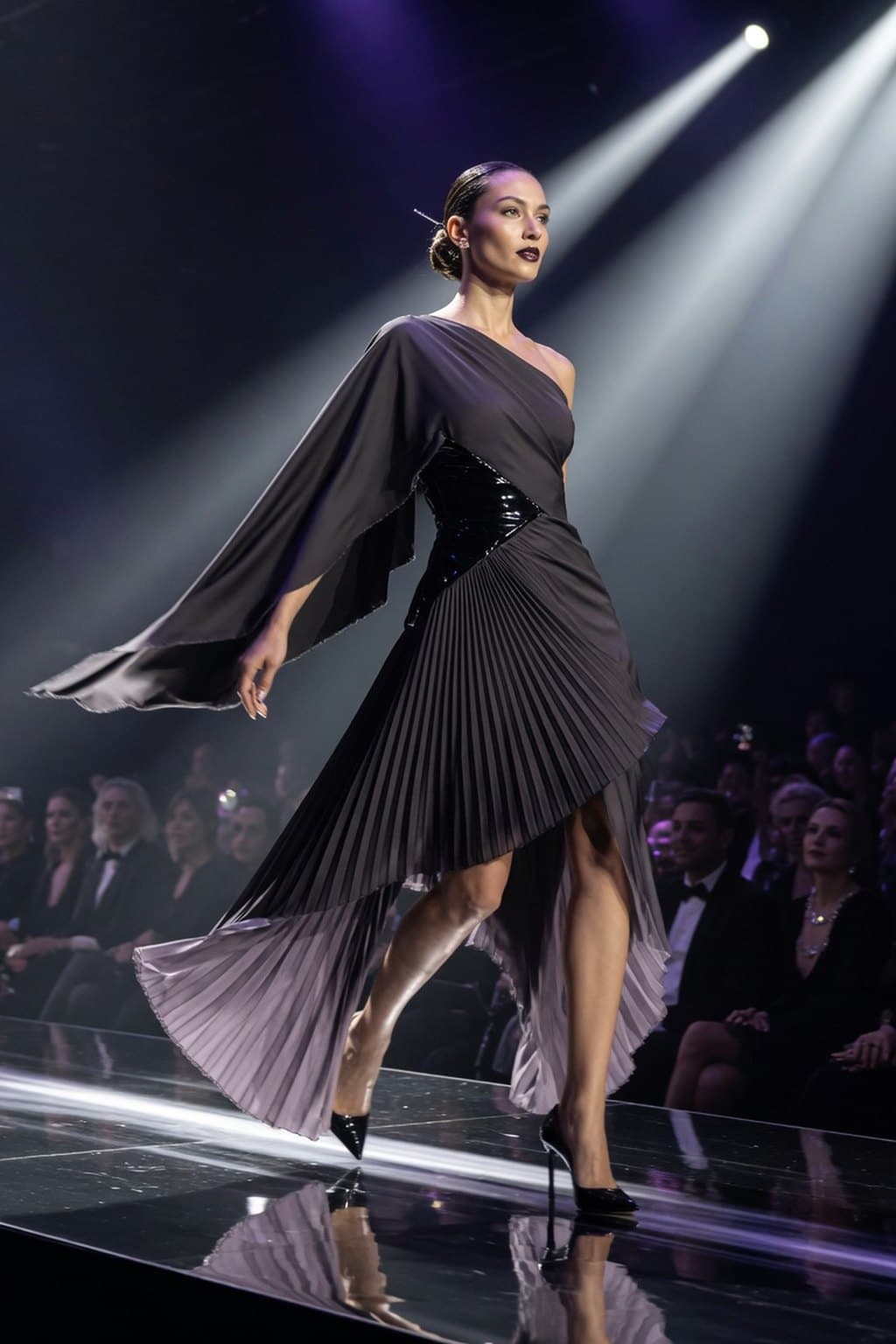
01The show

02Outside the show

03The campaign

04The page
The problem
What this actually costs you.
The archive claim is written from memory at 11pm.
A season, a house and a date repeated from a secondary source is how a correction happens.
What we do
What a brand showed at a past date is read back, so the reference is sourced before filing.
- Brand history at a past date
- Archive and museum reference
- Read a specific page
The desk is three people and the calendar is four cities.
Notes, credits and the trend read land in the same seventy-two hours.
What we do
Runbook, credits and first read come from one brief, so the desk edits rather than assembles.
- Specialist hand-off
- Runway and trend capture
- Print-quality PDF
Good reporting nobody finds.
Against a hundred aggregators a piece loses on structure, not on quality.
What we do
The brief carries the questions readers search and the structure that answers them.
- Live web search
- Cross-platform social listening
- A shareable web page
How media & publishing use it
One ask each. The real file back.
Every document below opens. None of them is a mockup.



What actually runs
Reporting and verifying are different jobs, and a shrinking desk is where they collapse into one. One system, 102 tools and 222 playbooks behind it.
Brand history at a past date
Archive and museum reference
Read a specific page
Specialist hand-off
Runway and trend capture
Print-quality PDF
Live web search
Cross-platform social listening
A shareable web page
Handed to
- Fashion Historian
- Writer
- Brand Analyst
- Communications Lead
Get started
One brief in. Deliverable out.
Start with the question a media & publishing actually has, and leave with the file.