Solutions · Fashion students
The research and the portfolio, done properly.
A fashion degree asks for a researched argument, a resolved collection and a portfolio that gets you hired - and it asks for all three in the same term. The industry tools that would help cost more than the course.
The one job this page is about
Reference every claim you make in a crit.
- How often it comes round
- Every crit and every hand-in - then once, for the graduate portfolio.
- Skip it once
- The argument is marked as assertion, and the reference you half-remembered turns out to be the wrong season.
The portfolio
Thirty-one layouts, and none of them a template you have to fill in.
Real portfolios produced here - deck, zine, look book, case study. Open any one and read the whole thing; the shapes differ because the work does.
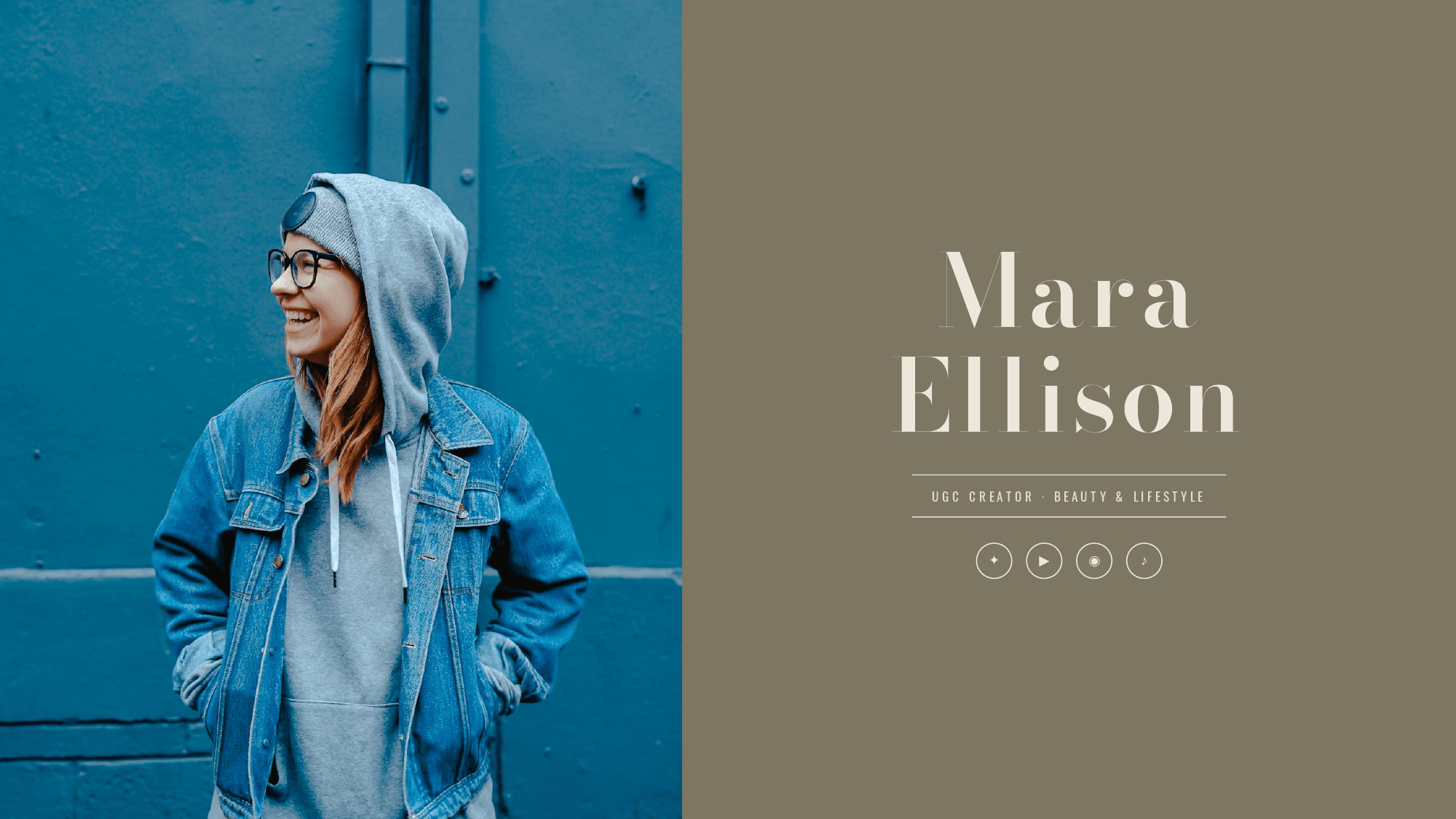
Mara Ellison - Beige Creator Deck
10 pages
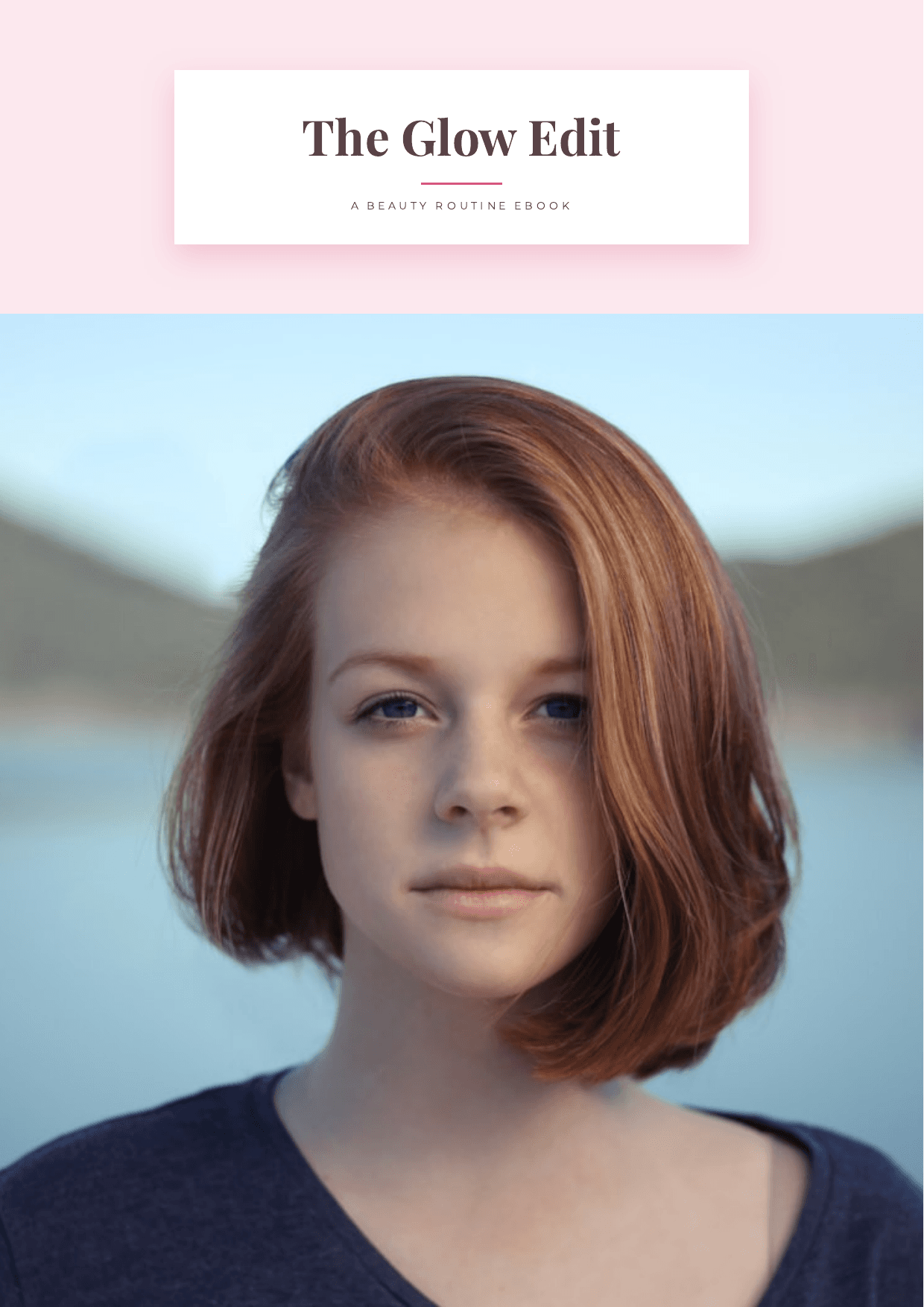
The Glow Edit - Blush eBook
20 pages
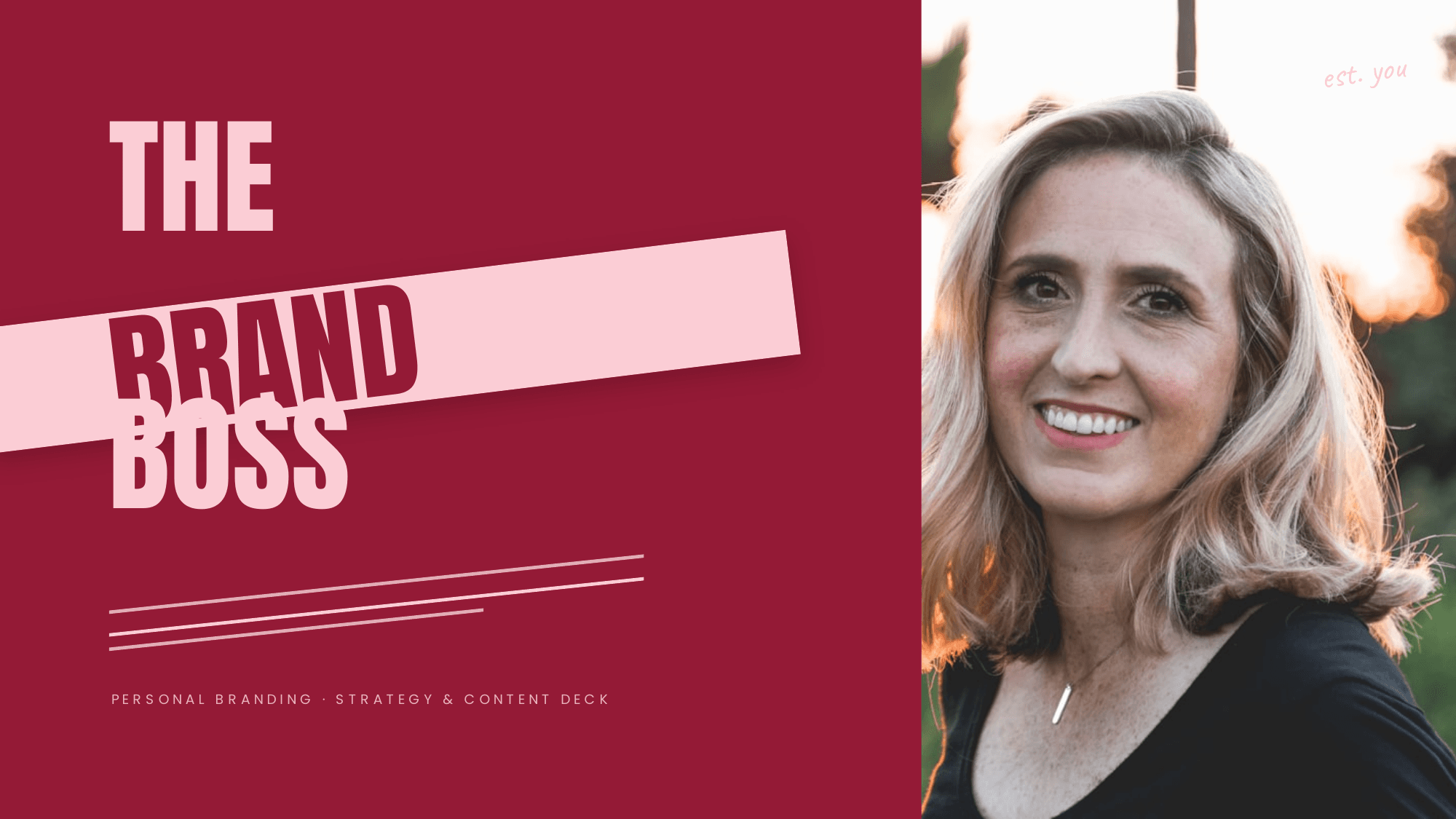
Odette Laurent - The Brand Boss
9 pages
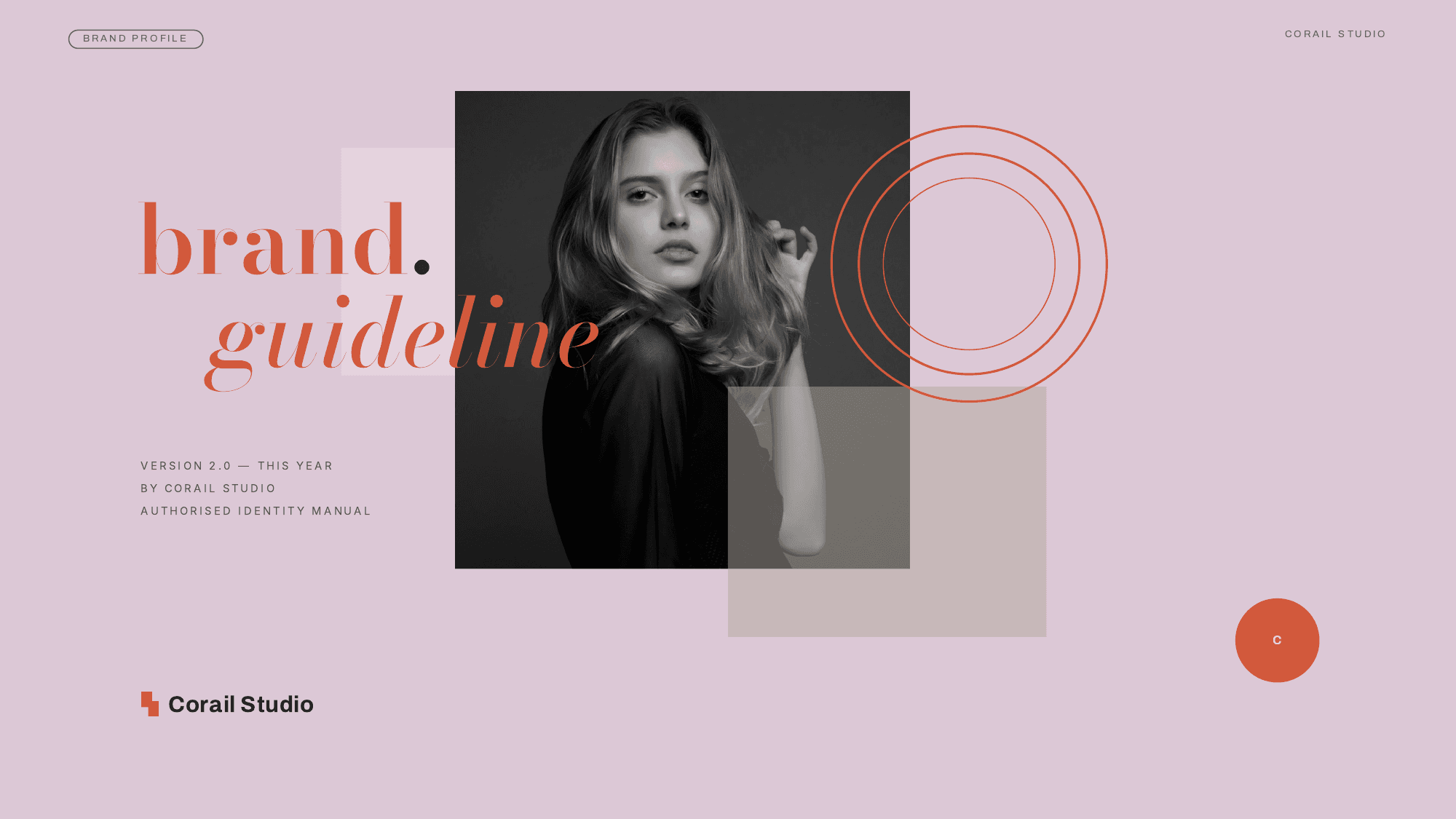
Corail Studio - Brand Guideline
14 pages
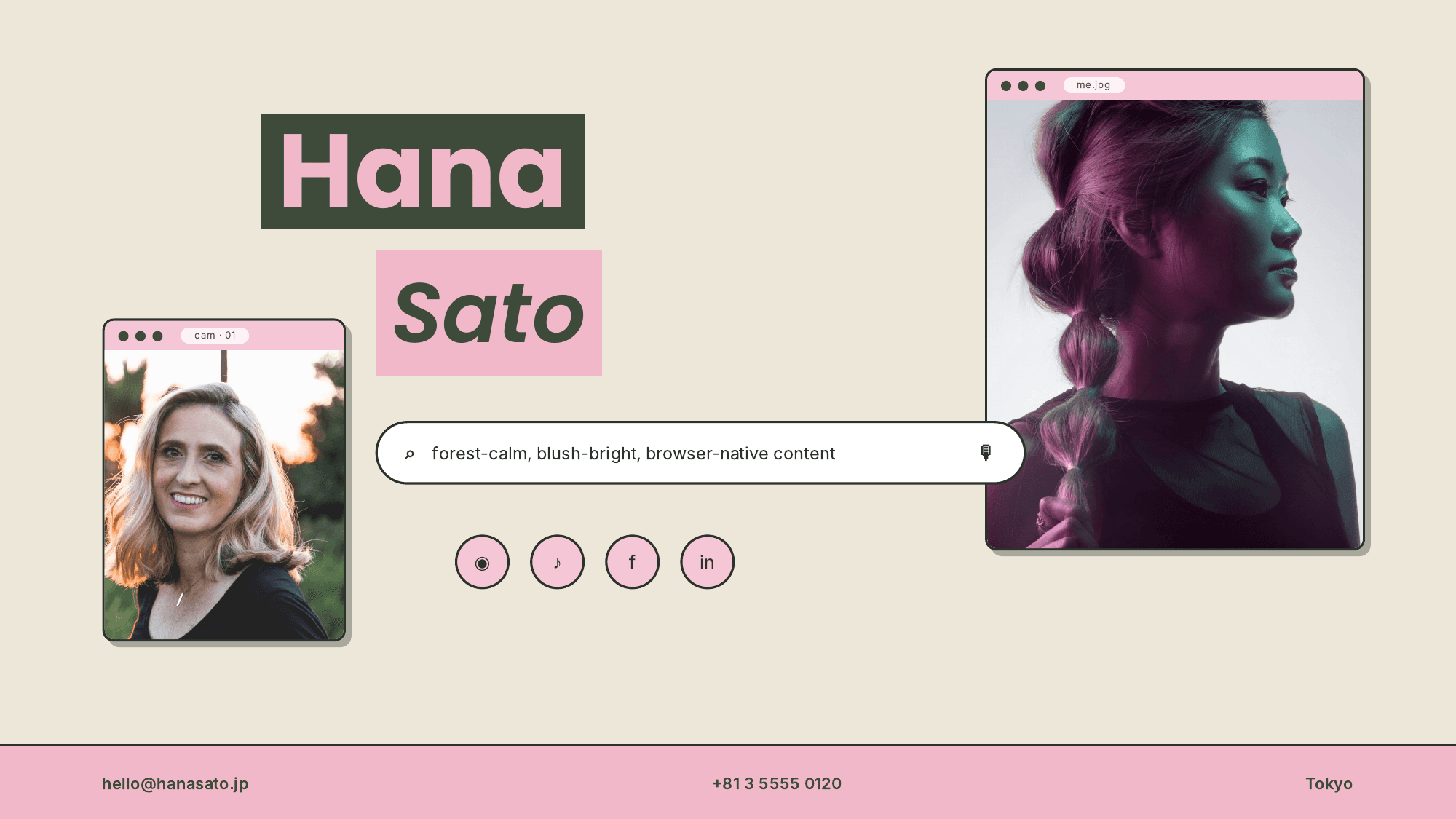
Hana Sato - Forest & Blush Browser
7 pages
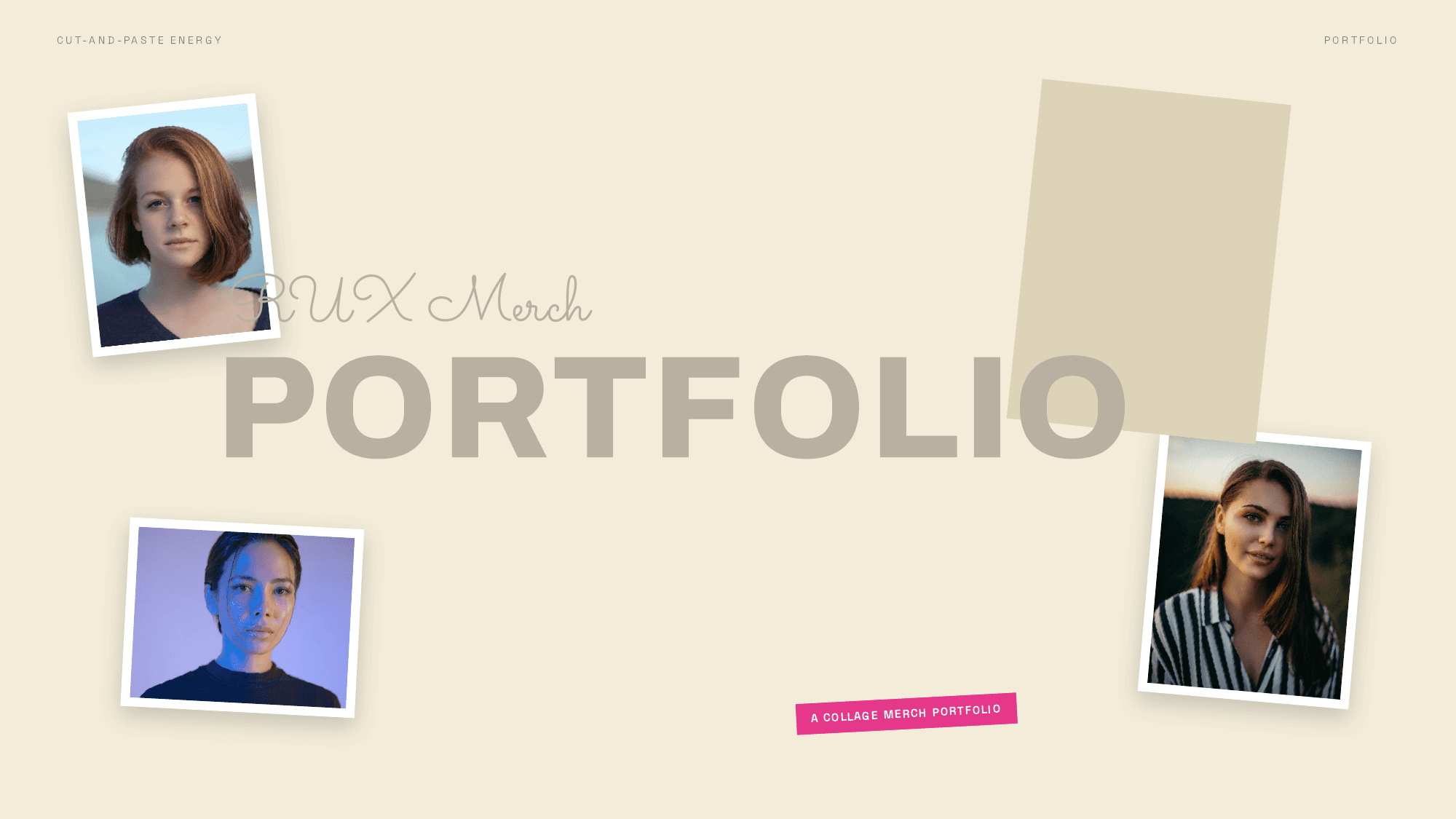
RUX Merch - Collage Merch Portfolio
7 pages
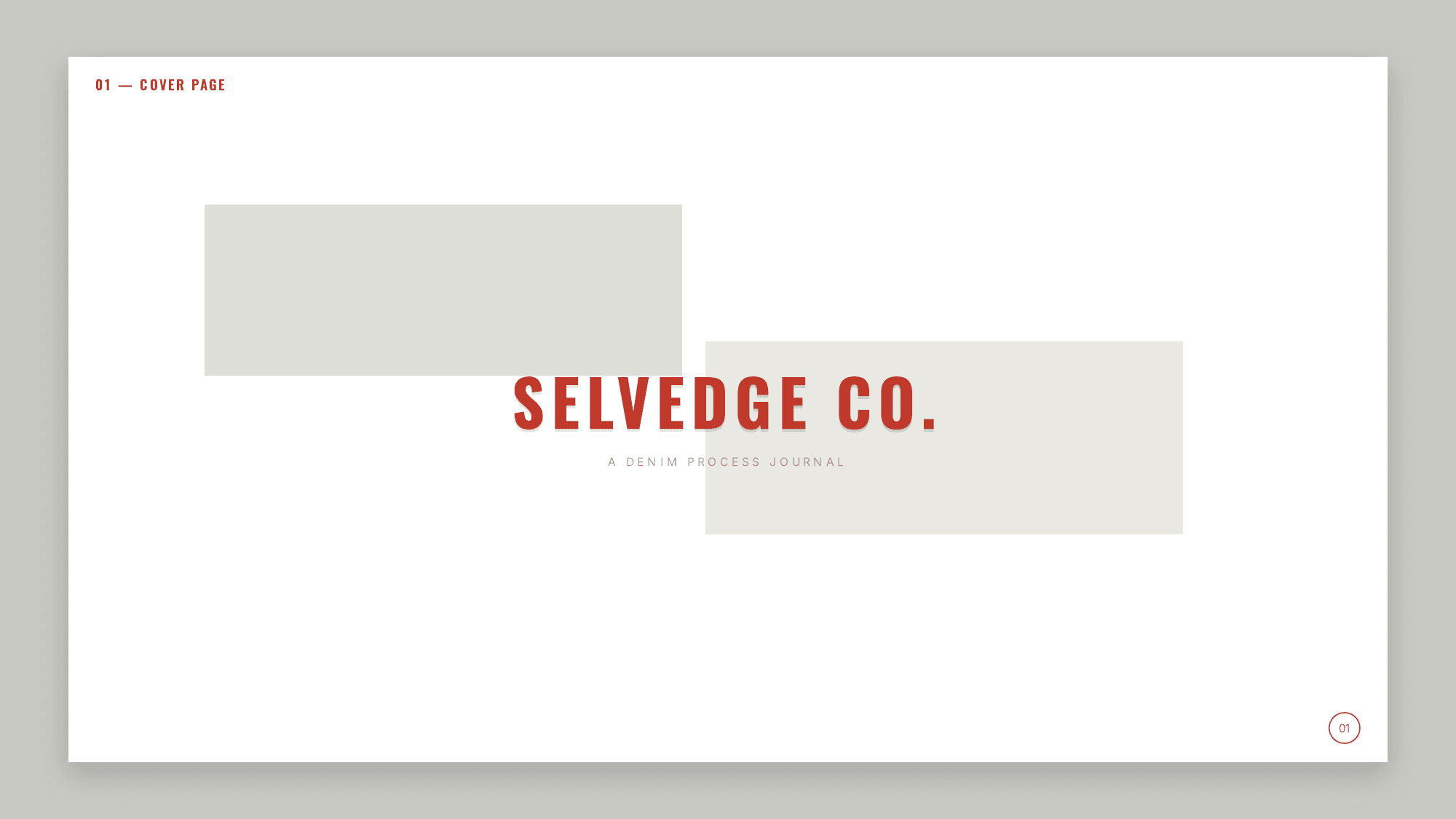
Selvedge Co. - Denim Process Journal
9 pages
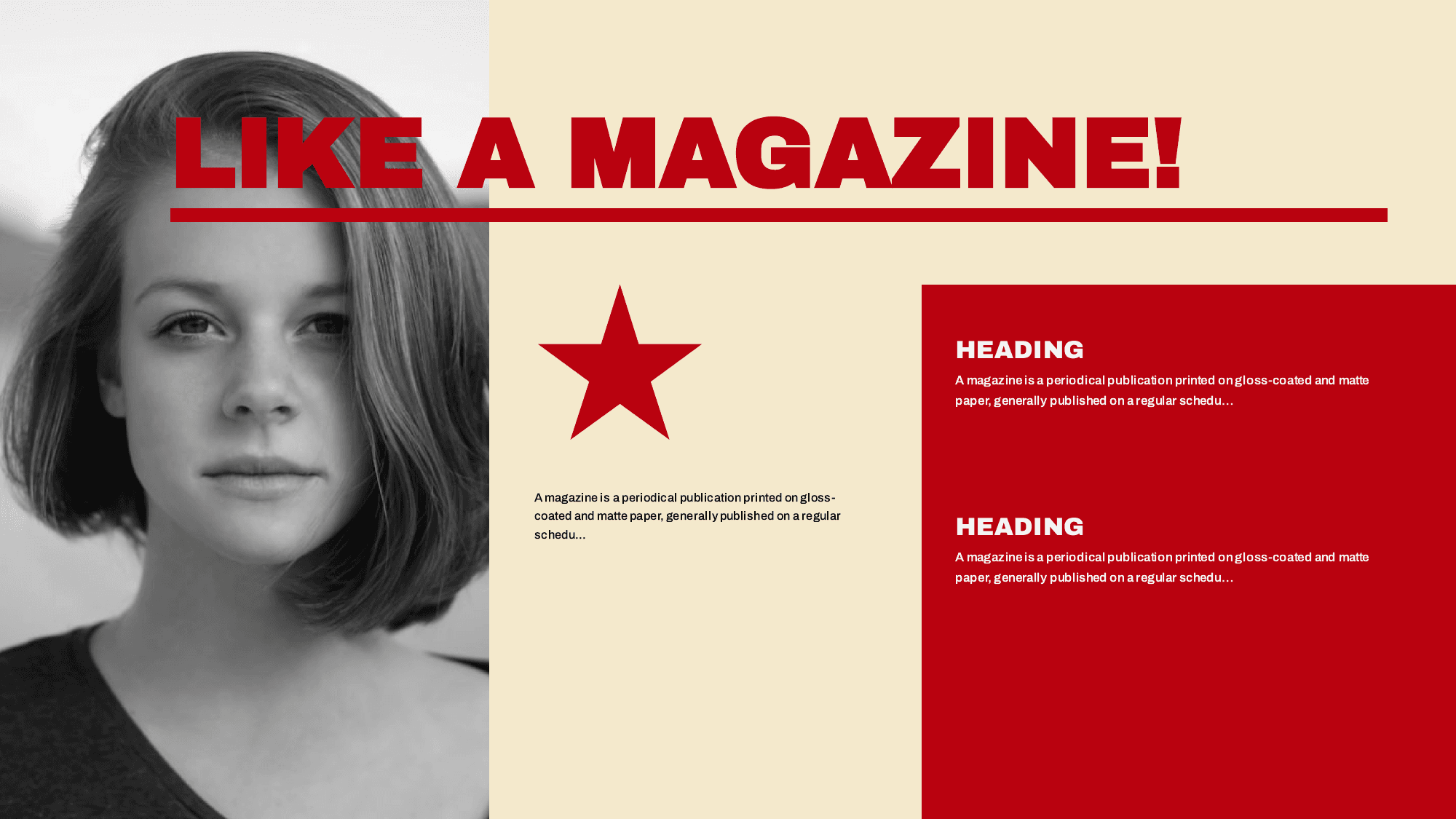
Like a Magazine - Like a Magazine
12 pages
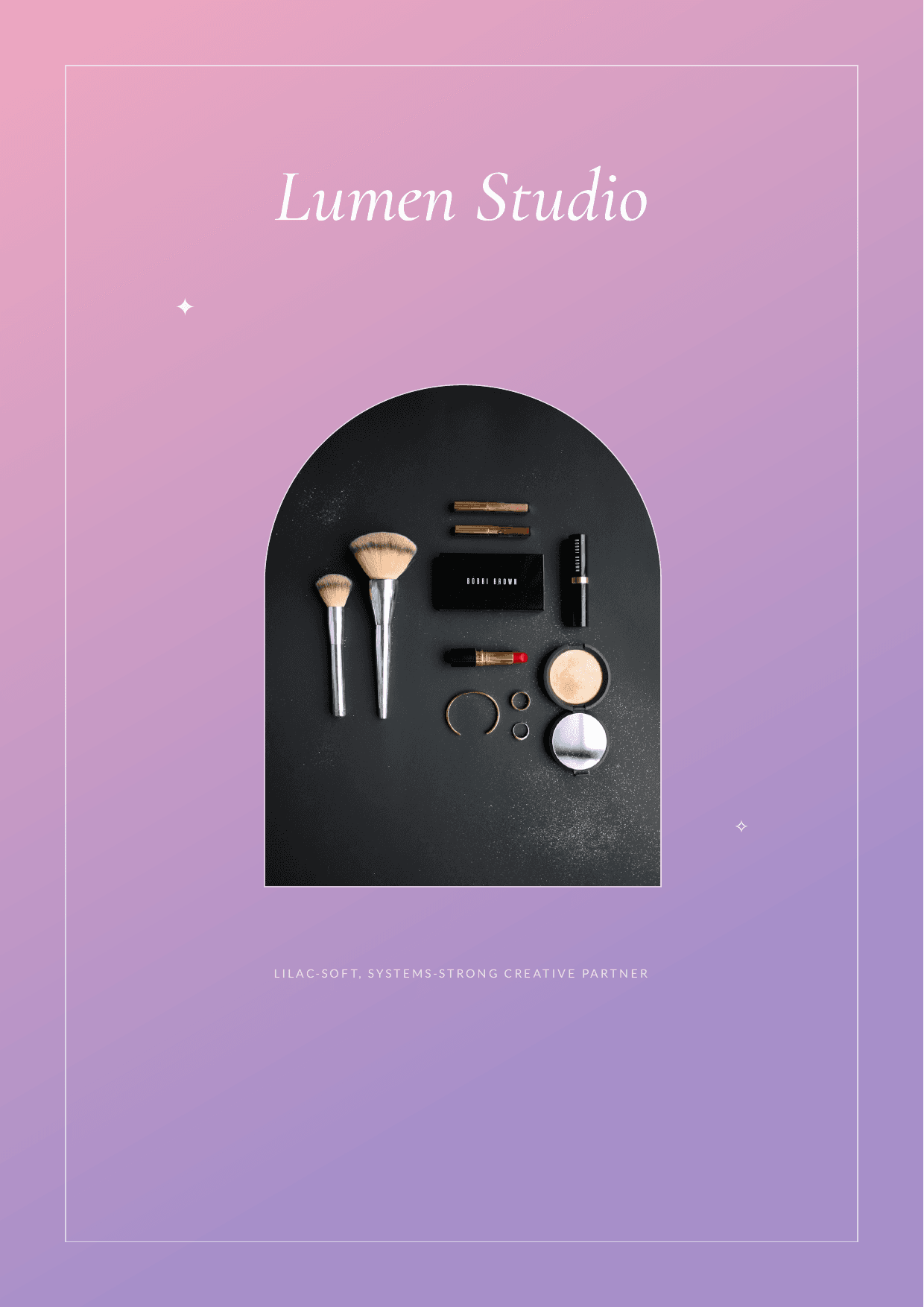
Lumen Studio - Lilac Company Profile
9 pages

Rimberio Milkshakes - Milkshake Product Launch
12 pages
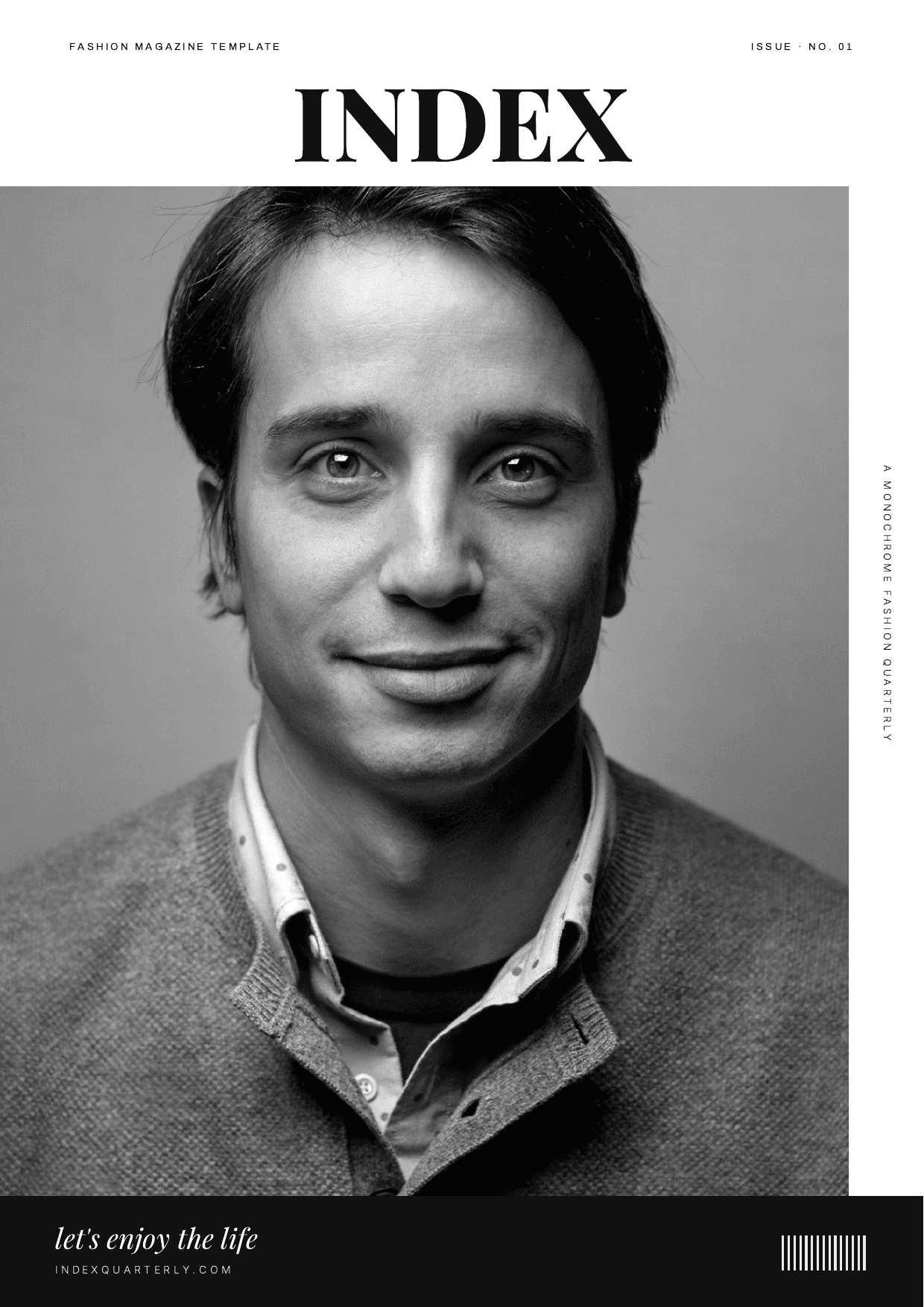
Index Quarterly - Monochrome Magazine
10 pages
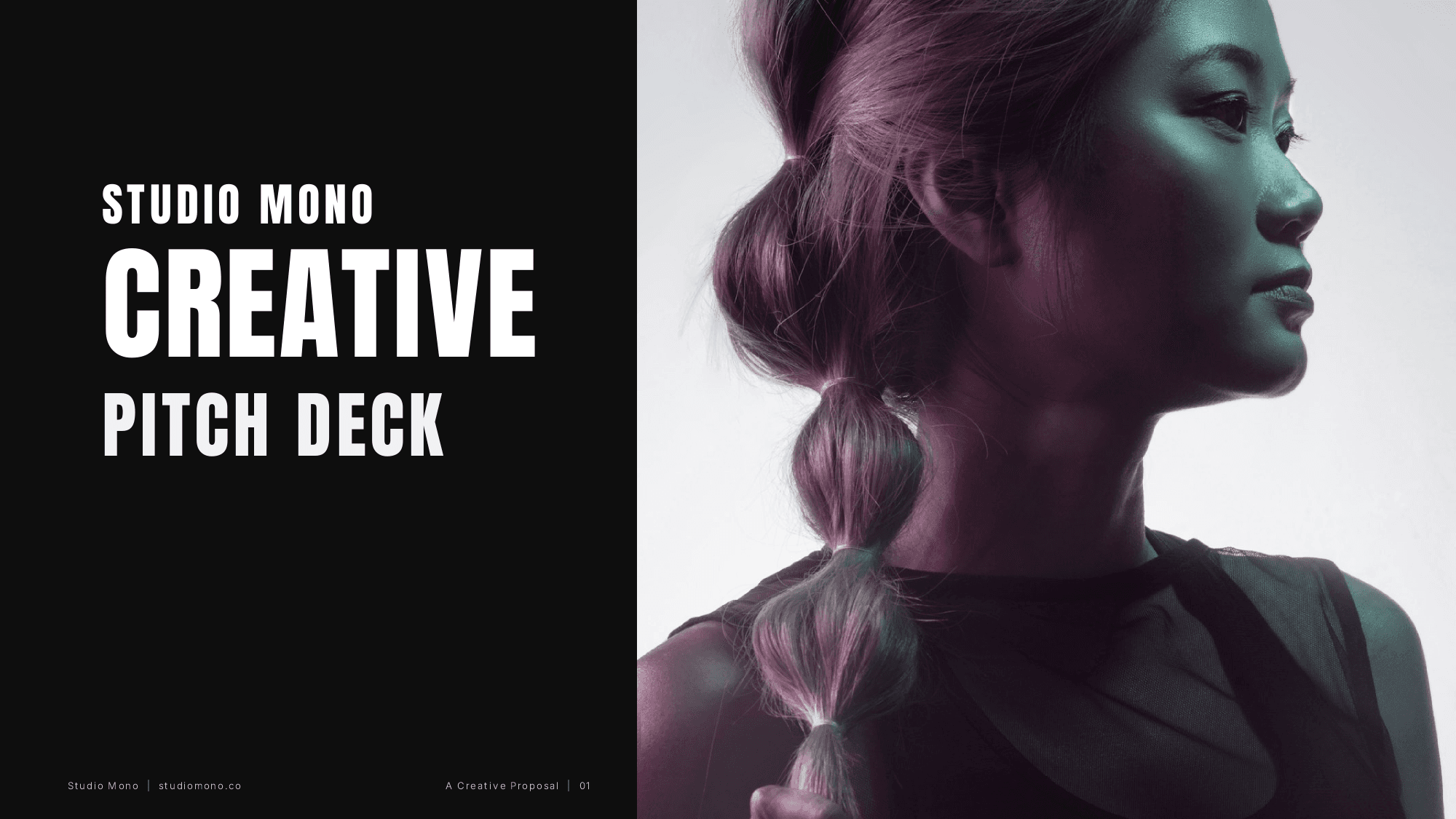
Studio Mono - Monochrome Pitch Deck
9 pages
The year, as it is actually marked
Four submissions, and what each one is really assessed on.
The brief says what to hand in. It rarely says what separates a pass from a distinction.
- 01
The dissertation
A researched argument with a position, not a summary of what has been written. The mark is in whether the sources are used to argue something or listed to prove reading happened.
Citation is the floor. Having a thesis is the grade.
- 02
The concept
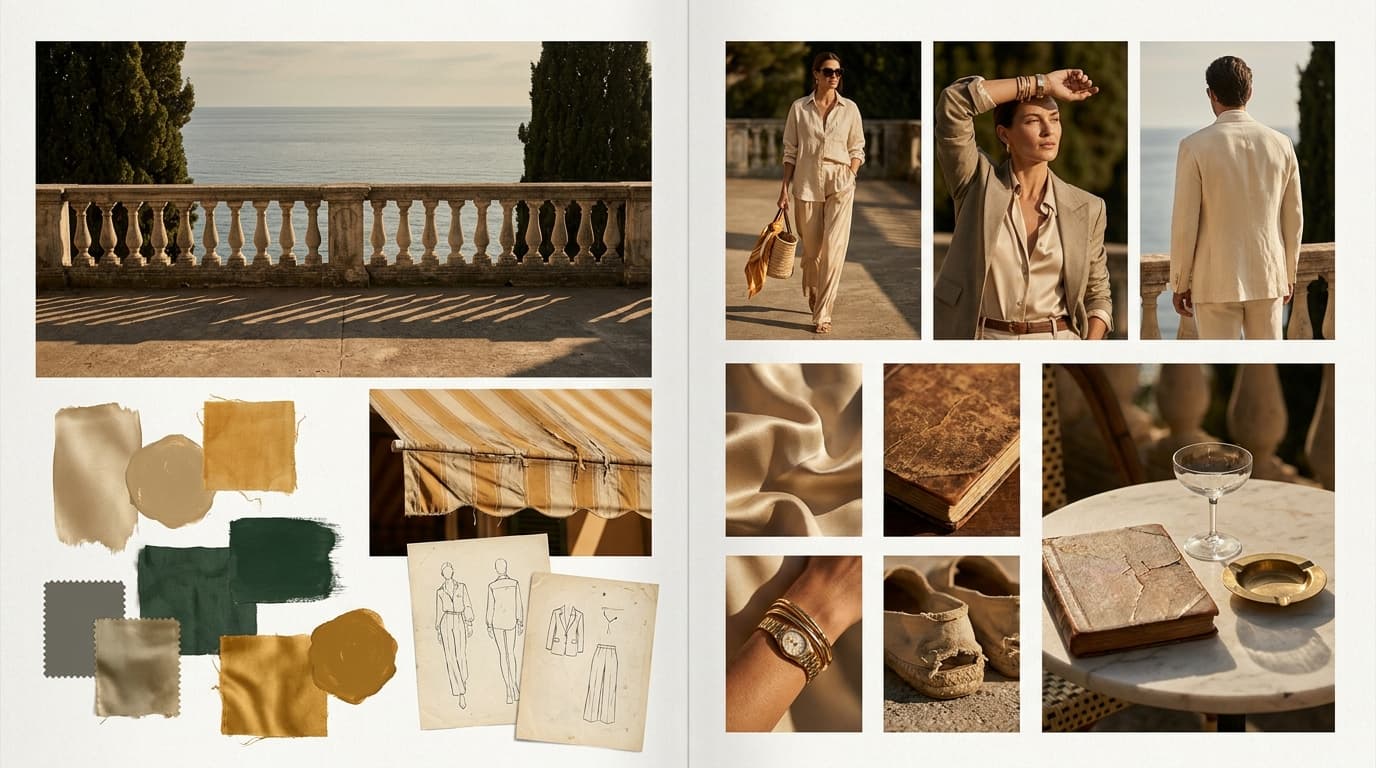
A direction resolved far enough that somebody else could work from it - a palette, a material story and a reason, rather than a mood.
A board that could belong to three different collections has not made a decision yet.
- 03
The final collection
Looks that hold together as a body of work, with the technical resolution to show they could be made.
Cohesion is marked harder than any single piece.
- 04
The portfolio
The document a studio actually opens: the work, sequenced, with the thinking visible and the presentation at professional standard.
It is the only one of the four that keeps working after graduation.
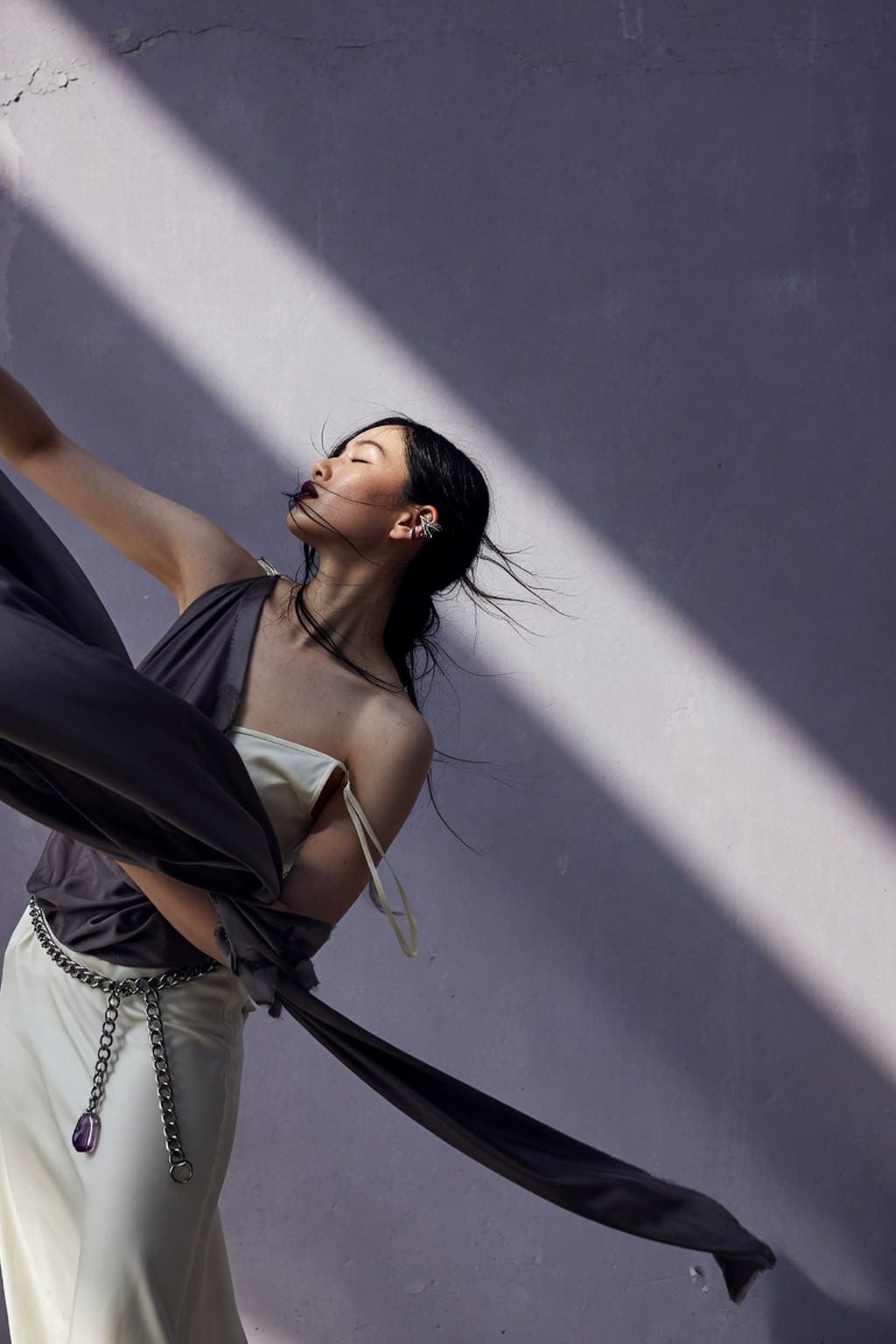
The only one of the four that keeps working after graduation - and it is judged on whether the thinking is visible in the frame.
The problem
What this actually costs you.
The reading list runs out before the argument is finished.
Peer-reviewed scholarship sits behind logins, so the citation list ends up thin.
What we do
Academic and museum sources are searched with the live web, references attached.
- Peer-reviewed and academic sources
- Archive and museum reference
- Multi-angle research sweep
The archive reference is remembered, not verified.
A season, a house and a date repeated from a secondary source is what a marker checks.
What we do
What a brand showed at a past date is read back, so lineage is sourced not recalled.
- Brand history at a past date
- Archive and museum reference
- Read a specific page
The work is good and the portfolio is a folder of JPEGs.
Studios read a document, not a drive - and the layout is a second design job, same week.
What we do
The collection becomes a laid-out portfolio and a written statement, as files.
- Print-quality PDF
- Editable deck
- Everything packaged together
How fashion students use it
One ask each. The real file back.
Every document below opens. None of them is a mockup.
 Word
WordDissertation
Build the argument on sources a tutor will accept.
Open the word Deck
DeckConcept
Turn the research into a direction you can design from.
Open the deck PDF
PDFFinal collection
Say what the collection is, in the language a panel expects.
Open the pdf Deck
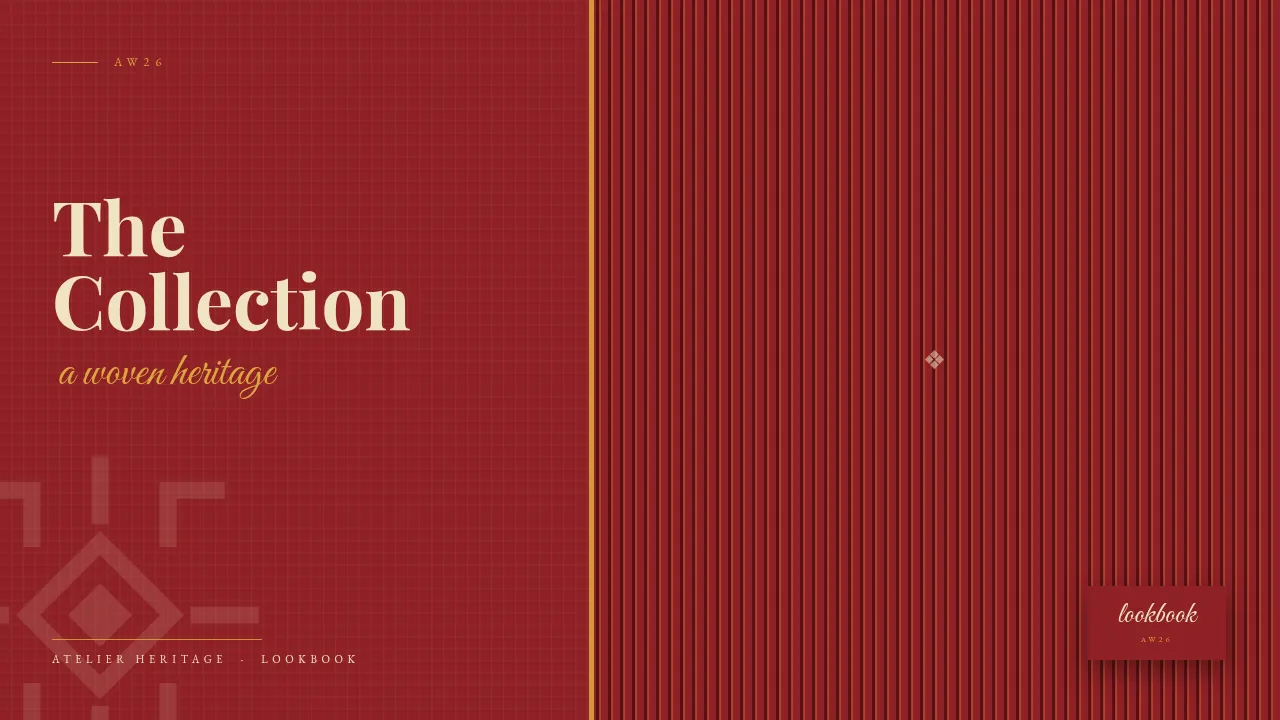
DeckPortfolio
Lay the work out the way a studio wants to receive it.
Open the deck

What actually runs
A dissertation and a final collection are different disciplines, and a degree asks for both in one term. One system, 102 tools and 222 playbooks behind it.
Peer-reviewed and academic sources
Archive and museum reference
Multi-angle research sweep
Brand history at a past date
Read a specific page
Print-quality PDF
Editable deck
Everything packaged together
Handed to
- Researcher
- Fashion Historian
- Fashion Designer
- Writer
Get started
One brief in. Deliverable out.
Start with the question a fashion student actually has, and leave with the file.