Solutions · Sportswear & performance
Performance is a test result, not a word.
Breathability, stretch recovery, wicking and abrasion are measurable, and a performance claim is only as good as the report behind it. The work is choosing the fabric on numbers and keeping the numbers with the garment.
- desks this covers, each with its own brief
- 4
- specialists the work is split across
- 4
- playbooks and tools it reaches for
- 8
The one job this page is about
Put lab data behind the performance number before it reaches the hangtag.
- How often it comes round
- Every claim, every season, every new technical fabric.
- Skip it once
- The number is a marketing word, and it is challenged by a retailer with the range already in production.
The trades
Every property is bought from another one.
More windproof is less breathable; lighter abrades sooner. A feature list hides the trade, which is the only thing a fabric decision actually is.
- BreathableWindproof
RET and air permeability - the same membrane sets both
- LightAbrasion-resistant
Martindale against fabric weight
- StretchRecovery
Elastic recovery after cycling, not stretch at first pull
- WickingInsulating
Moisture management against thermal resistance
- Soft handStructure
Bending length, which is also what makes a pattern behave
The axes and the test that governs each, with nothing plotted. Where a construction sits comes back from its own test data.
Why the claim is the hard part
Every property you buy is paid for with another one.
There is no fabric that is more breathable, more waterproof, more durable and lighter than the one you have. There is only which of those you decided to lose.
A membrane that stops more water passes less vapour. A yarn that recovers better is heavier. A face fabric that abrades less is stiffer. A brief asking for all four gets answered by whichever property is easiest to test for.
So the specification is the real design work: choose the property, choose the method, set the threshold, then say in public exactly what the test showed and nothing beyond it. A number with no method attached does not survive a challenge from a competitor or a regulator.

The trade is settled in the condition the garment is used in, not on the bench where it was measured.
The problem
What this actually costs you.
The performance claim is a marketing word with no test behind it.
Breathable and quick-dry mean nothing without a method and a number.
What we do
Written against the test method and the result, with the report attached.
- Fabric substitution
- Fibre commodity prices
- Multi-angle research sweep
Fit fails in movement and nobody sees it until the wear test.
A garment can pass a static fit session and fail in the motion it is sold for.
What we do
Fit risk is read against the block and the size curve before sampling.
- Fit-risk audit
- Pattern blocks and grading
- Marker and fabric-yield optimisation
The technical fabric that works is the one nobody can source twice.
One mill for a performance construction is a single point of failure.
What we do
Substitutes are matched on the properties that carry the claim, before you need them.
- Fabric substitution
- Verified factory directory
- Ranked factory shortlist
How sportswear & performance use it
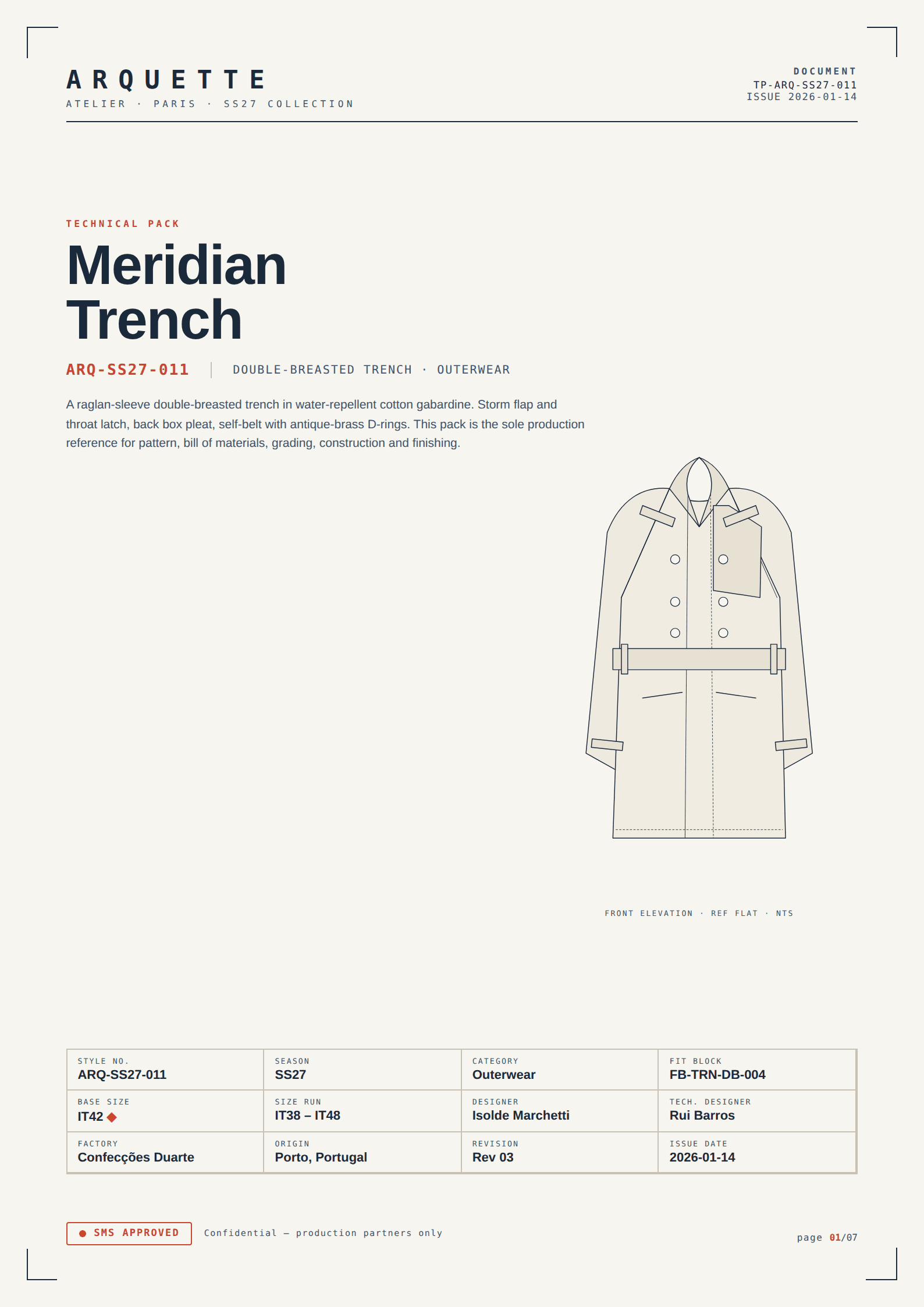
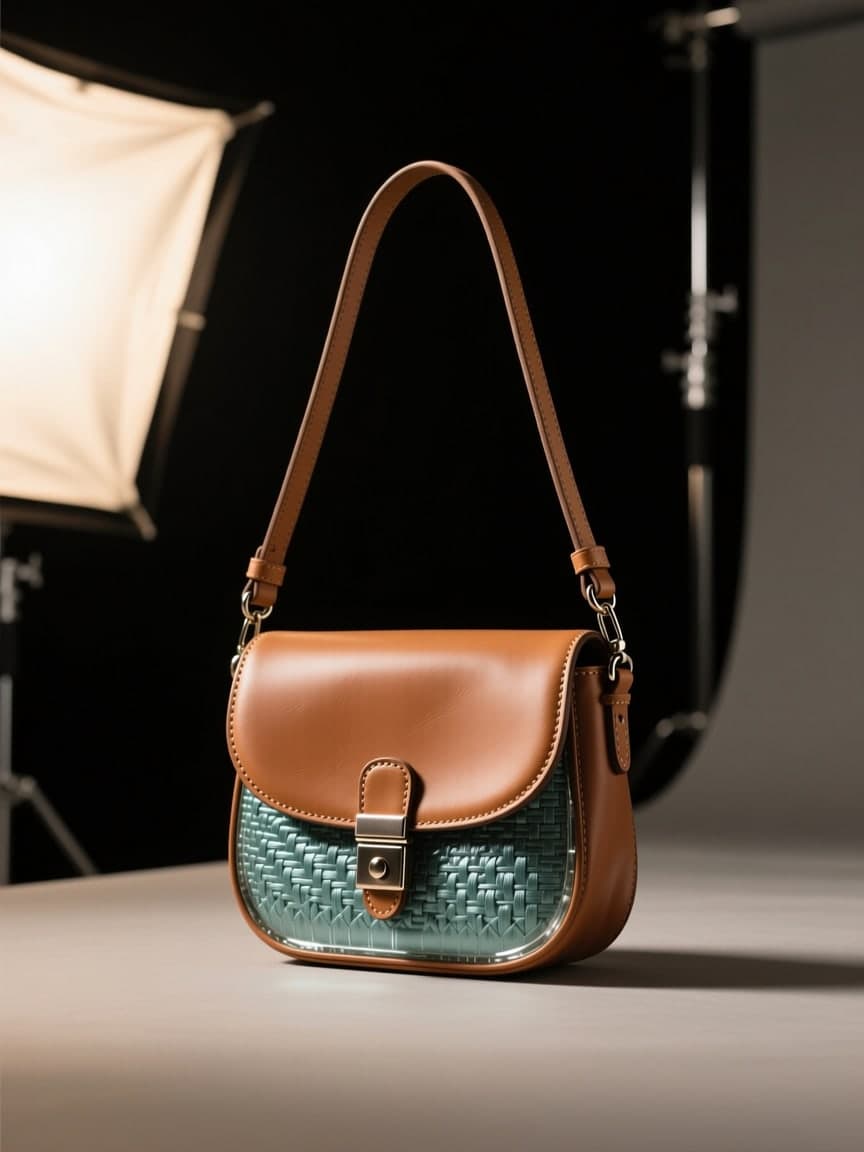
One ask each. The real file back.
Every document below opens. None of them is a mockup.




Categories they trade in
What actually runs
Specifying a material and substantiating a claim about it are two jobs, and only one of them is design. One system, 102 tools and 222 playbooks behind it.
Fabric substitution
Fibre commodity prices
Multi-angle research sweep
Fit-risk audit
Pattern blocks and grading
Marker and fabric-yield optimisation
Verified factory directory
Ranked factory shortlist
Handed to
- Materials Specialist
- Production Specialist
- Sustainability Analyst
- Researcher
Get started
One brief in. Deliverable out.
Start with the question a sportswear & performance actually has, and leave with the file.